Category: K-Snacks

  • I Was Scared of Buldak — Then I Tried the Carbonara Version

    This post contains Amazon affiliate links. As an Amazon Associate, we earn from qualifying purchases.
    A friend of mine bought a multipack of original Buldak ramen on a dare and called me twenty minutes later, voice hoarse, eyes watering, asking if milk actually helped. She loved the flavor but couldn’t get past the heat. A few weeks later, she texted me a photo of an empty bowl with a single message: “Found the one I can actually finish.” It was the Carbonara flavor.

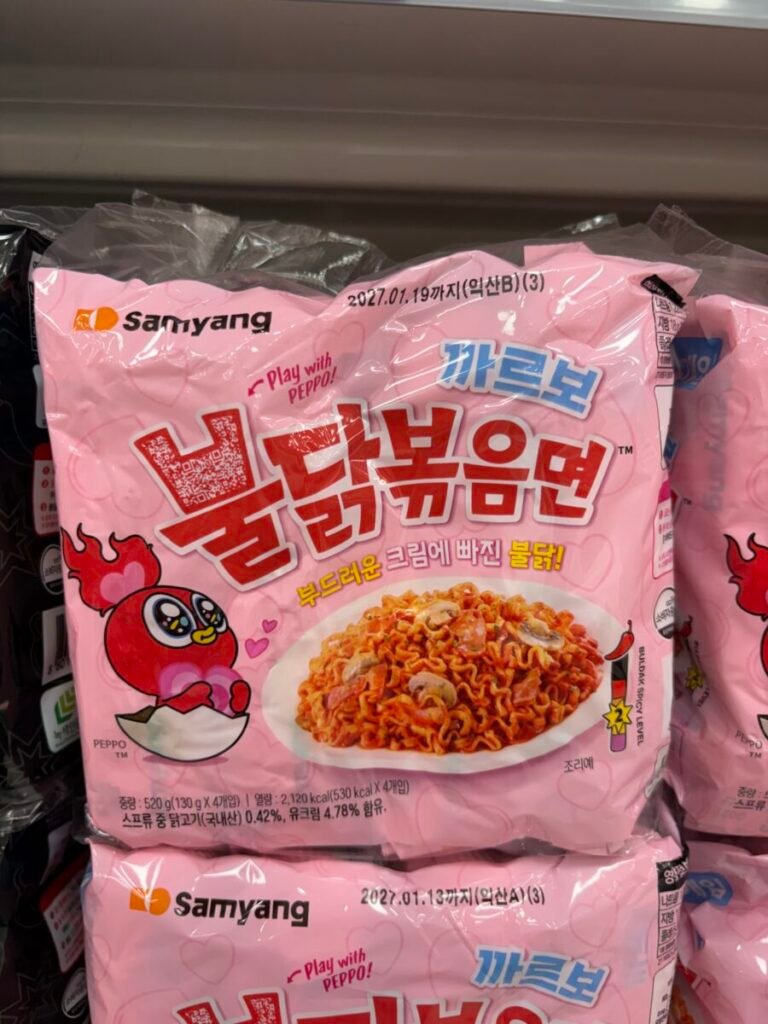
    That story is basically the whole review right there — Samyang Buldak Carbonara Ramen gives you the bold, smoky heat that made the Buldak line famous, but wraps it in a creamy cheese-based sauce that makes the whole experience genuinely approachable, even if you’re not a spice fanatic. It’s the entry point into the Buldak universe that a lot of people didn’t know they needed.

    What Even Is Buldak Carbonara?

    If you’ve seen Buldak (불닭) ramen anywhere online, you’ve probably seen the reactions — people sweating through challenge videos, reaching for glasses of water mid-bite. The original Buldak sauce is aggressively spicy, and that’s by design. “Buldak” literally translates to “fire chicken,” and the brand has built an entire cult following around that burn. The Carbonara version takes the same stir-fried noodle format and introduces a pale, creamy sauce that dials the heat back to something closer to “bold and exciting” rather than “medically questionable.”

    Here’s the part that surprises most people: this isn’t a noodle soup. There’s no broth. Once you boil the noodles, you drain almost all the water, squeeze in the liquid sauce packet, and stir-fry for about 30 seconds in the pot. That’s it. The whole process takes just over five minutes, and you don’t need any tools beyond a pot and a strainer. For anyone used to thinking of instant ramen as a styrofoam cup situation, the stir-fried format feels almost restaurant-adjacent.

    The Noodles Themselves Are Worth Talking About

    One detail that regularly comes up in reviews — and that genuinely caught me off guard — is how well the noodles hold their texture. Samyang uses a high-gluten Korean wheat flour, and the result is a noodle that stays springy and chewy even if you accidentally leave it boiling a minute or two longer than planned. Most instant noodles turn soft and mushy the second you look away; these stay bouncy past the five-minute mark. If you’ve ever bitten into a bowl of fresh Korean ramyeon at a restaurant and wondered why it felt so different from the stuff at home, gluten content is a big part of the answer.

    How Does the Carbonara Sauce Actually Taste?

    Let’s be direct here, because some reviews mention disappointment: this is not Italian carbonara. There’s no egg yolk, no guanciale, no Pecorino Romano. What you get is a tangy, slightly sweet, cheese-forward sauce with a heat that builds slowly at the back of your throat — creamy enough to coat every strand, spicy enough that you’ll notice it, but not so aggressive that you can’t carry a conversation while eating.

    Compared to the Cream Carbonara version in the same Buldak lineup, this original Carbonara is noticeably lighter in sauce density. The spice hits first here, while the creaminess follows as a supporting note. The Cream Carbonara flips that order — richness leads, heat finishes. Neither is better; they’re just different moods. If you want the spice to be the headline act with cream as the backing band, this is your pick.

    It’s also worth noting that if you’re sensitive to heat, using the full sauce packet will still give you a real kick. Some people use about three-quarters of the packet on their first try and work up from there — a completely reasonable approach that lets you find your personal comfort zone without wasting the bowl.

    My Honest Take: The Balance Works

    Trying it myself, the balance actually works better than the reputation suggests. The creaminess doesn’t just sit alongside the heat — it genuinely wraps around it, softening the sharp edges of the spice into something that builds more than it burns. And the noodles themselves stand out immediately: noticeably springier and chewier than a typical instant ramen, with real resistance to the bite instead of going soft the moment you twirl your fork.

    Sodium and the Reality Check

    No review should skip this: the sodium content is high. This is not an everyday lunch for someone managing blood pressure or following a low-sodium diet. It’s a treat, and it tastes like one. That’s not a dealbreaker for most people buying a five-pack of Korean instant noodles, but it’s worth knowing going in rather than reading the label after the fact.

    How It Fits Against Other Instant Ramen

    If your instant noodle frame of reference is Nongshim’s Shin Ramyun — spicy broth, classic red-tinted soup — Buldak Carbonara is genuinely a different category of product. Comparing them directly is a bit like comparing a tomato soup to a pasta dish. Shin Ramyun is a soup experience; Buldak Carbonara is a dry, stir-fried noodle experience with a thick sauce clinging to each strand. They scratch completely different itches, and honestly, both have a place in a well-stocked pantry.

    Who Should Buy This?

    This five-pack at $9.99 makes the most sense if you’re someone who keeps hearing about the Buldak craze and wants to see what it’s about without committing to the full-heat original. It’s also ideal if you’ve eaten spicy food before and want something that feels a little more indulgent and creative than a standard instant noodle. The format — stir-fried, creamy, no broth to manage — makes it surprisingly easy to dress up with a soft-boiled egg, some sliced green onion, or a pinch of sesame seeds if you want to feel like you’re actually cooking rather than just making instant noodles.

    If you’re curious, you can check the current price on Amazon and see if a five-pack fits your next snack order.

    Final Thoughts

    My friend who called me after the original Buldak incident now keeps a box of the Carbonara flavor in her kitchen at all times. Not because it’s the safest option — it’s still genuinely spicy — but because it’s the version where the heat feels exciting rather than punishing, where the creamy sauce makes you want to scrape the bowl, and where five minutes of effort produces something that actually satisfies a craving rather than just filling a gap. That feeling — of finding the version of a thing that was made for you — is exactly what a good gateway product should deliver.
  • Kancho Chocolate Biscuits: The K-Pop Snack Game Everyone’s Playing Right Now

    This post contains Amazon affiliate links. As an Amazon Associate, we earn from qualifying purchases.

    A friend of mine was deep into a late-night K-drama binge when her roommate dropped a small box of something on the couch beside her. She bit into one without even looking — crisp, light, a whisper of chocolate — and then froze when she saw the tiny letters stamped on the biscuit. It said Jimin. She screamed.

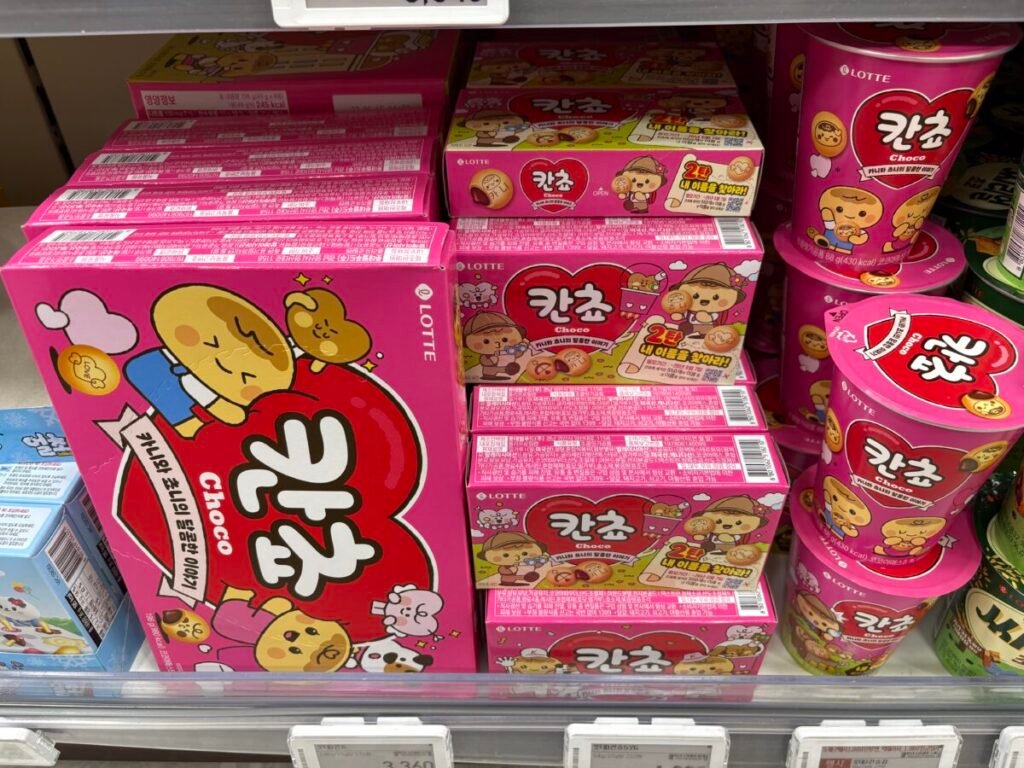
    If you’re wondering what Kancho actually is: Kancho (칸쵸) is a Korean chocolate-filled biscuit made by Lotte Wellfood, famous for stamping K-pop idol names and original characters onto each individual piece, turning snack time into a collectible guessing game that fans share obsessively on social media. That’s the whole story in one sentence — but trust me, the details are worth sticking around for.

    So What Exactly Is Kancho?

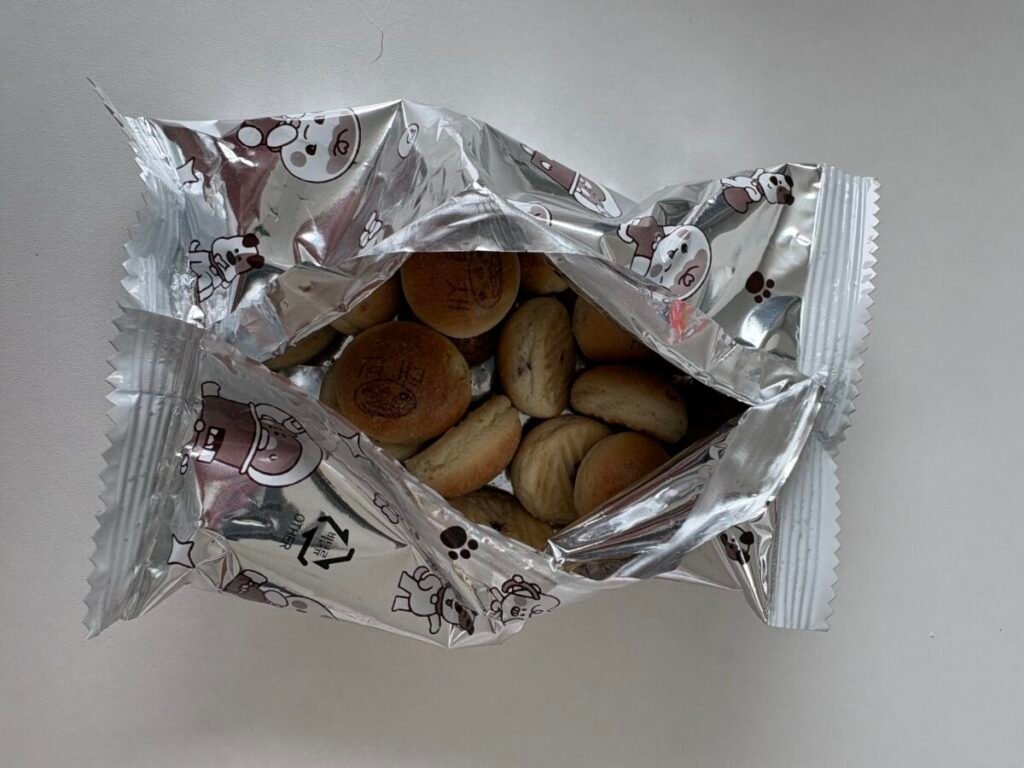
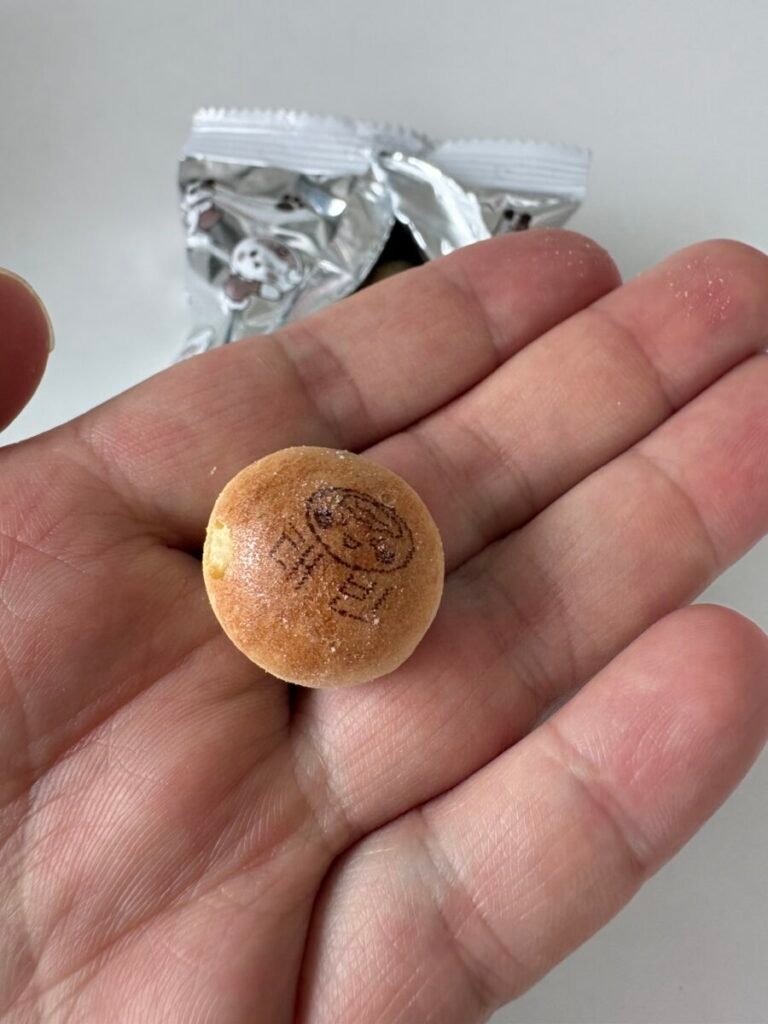
    Kancho has been a staple Korean snack for decades, long before K-pop was a global export. Each small, hollow biscuit shell is filled with a smooth chocolate cream — not rich and intense like a dark chocolate truffle, but mild and milky, the kind of sweetness that pairs perfectly with a cup of coffee or warm milk. The shell itself is the real charm here: each piece is a small, round chocolate ball, closer in shape to a chestnut kernel than a flat biscuit — and printed right on that little round shell is one of the brand’s cute characters, which somehow makes the whole thing feel more like a tiny collectible than a snack.

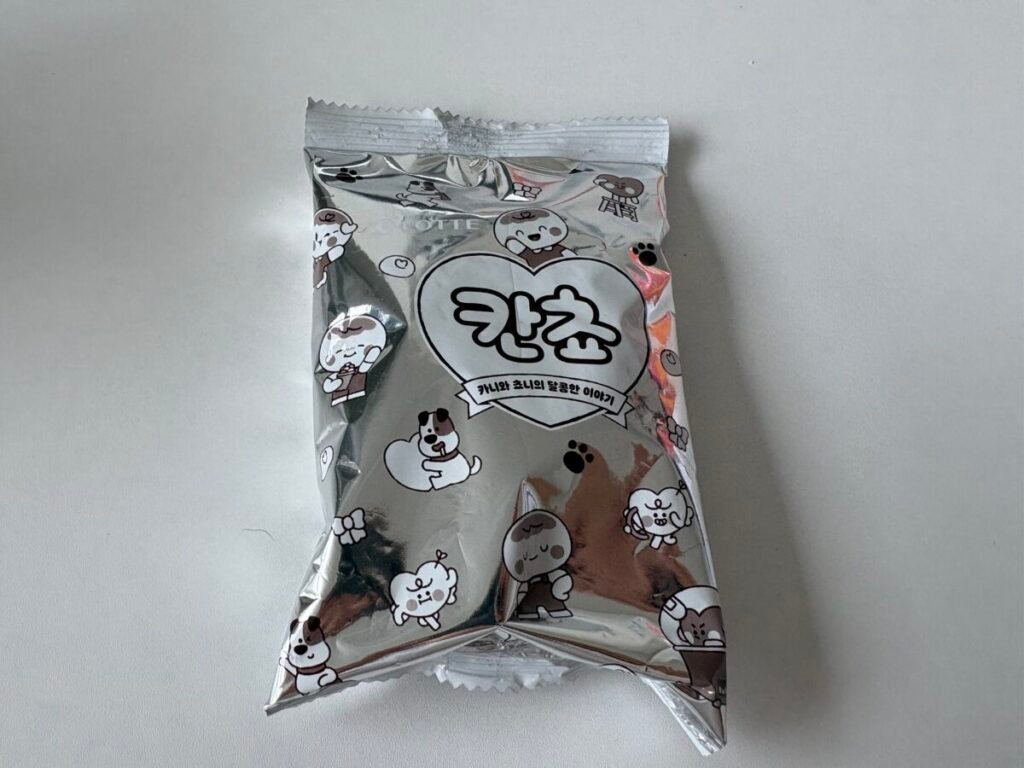
    The version most international fans are hunting down right now comes in a 196g box divided into four individually sealed 49g inner bags. That packaging detail matters more than it sounds — once you open a bag of biscuits, humidity is their enemy. Keeping three bags sealed while you snack through the first one means you’re not racing against the clock to finish everything before it goes soft.

    The Game That Made This Snack Go Viral

    Here’s where Kancho becomes something more than just a snack. Printed on the surface of each biscuit is either one of the brand’s two original mascots — Kani or Choni, tiny crab-like characters with their own lore — or, in special editions, the name of a K-pop idol. Crack open a bag, and suddenly you’re playing a live lottery. Did you get your bias? Did you get your least favorite member three times in a row? The unboxing videos practically write themselves.

    This interactive element has driven a huge wave of social sharing, with fans posting their “pulls” the same way they’d share album photocard hauls. It’s a brilliantly low-cost hook: the game costs nothing to play beyond the price of the snack, and the emotional payoff — finding your idol’s name on a tiny chocolate biscuit — is disproportionately large. It’s also endlessly repeatable, which is exactly why a single box of four bags can fuel a whole group watch party.

    My Honest Take: It’s Not About the Name

    Here’s my honest take, though: the name game is fun as a novelty, but it’s not really what makes this snack worth reaching for again. What actually won me over was the shape and the sweetness — that round, chestnut-like little ball with a character drawn right on it is just undeniably cute, and the chocolate filling lands at a comfortable, moderate sweetness that makes it easy to keep going back for one more piece, name or no name.

    A Surprisingly Counterintuitive Fact About Korean Snack Culture

    Here’s something that might genuinely surprise you: Kancho predates K-pop fandom culture by roughly 30 years. The snack launched in the 1980s as a straightforward children’s biscuit, named after a Japanese word meaning “enema” — yes, really — which was a common playground prank term at the time. The brand has since leaned entirely into the cute mascot and idol angle for obvious reasons, but it’s a strange little origin story hiding underneath all that pastel packaging. Korean snack history is wilder than most people expect.

    What Real Snackers Are Saying: The Honest Take

    Buyers consistently praise the portion-controlled packaging as one of the smartest things about this product. Four separate inner bags mean you can toss one in your bag for work, leave one at your desk, share one at a watch party, and still have a bag waiting for you at home. For a snack you’re importing internationally, that freshness protection is genuinely useful.

    The flavor itself gets warmly positive reviews with one honest caveat: the chocolate filling ratio is on the lighter side. If you’re expecting a dense, intensely chocolatey center, Kancho will feel understated. The chocolate is present — smooth, creamy, pleasant — but it plays a supporting role to the biscuit crunch rather than dominating the flavor. For people who prefer subtle sweetness, this is a feature. For dedicated chocolate lovers, it might feel a little mild.

    On the practical side, a small number of buyers have reported that the outer 196g box can arrive slightly crushed from international shipping, and occasionally an inner bag has come unsealed. It’s not a widespread issue, but worth knowing if you’re gifting this to someone and need pristine presentation. Also worth noting: the idol name editions can change by season, so the specific names printed on your biscuits may vary from what you’ve seen in viral videos.

    For context, Kancho sits in a competitive space. Lotte Wellfood’s own Pepero — which currently features Stray Kids as a global ambassador — is actively selling on Amazon and captures a lot of the same K-pop crossover audience. Orion’s Choco Boy plays in a similar chocolate biscuit territory. Kancho’s edge is the name-game mechanic, which neither competitor has quite replicated in the same way.

    Who Should Try Kancho?

    This snack is genuinely built for two types of people: K-pop fans who want a tangible, edible piece of fandom culture, and curious newcomers to Korean snacks who want something approachable — not spicy, not intensely savory, just light and snackable with a fun interactive twist. It’s an easy entry point into K-food that doesn’t require any acquired taste.

    If you want to try it yourself, you can check the current price on Amazon and see which edition is available right now.

    The Bottom Line

    There’s something quietly wonderful about a snack that manages to be both completely ordinary — a small chocolate ball, nothing more — and completely electric the moment you flip it over and read what’s printed on it. That gap between the everyday sweetness and the tiny jolt of seeing a name or character you recognize is exactly why Kancho keeps finding new fans far outside Korea. Some snacks you eat. Some snacks you experience. Kancho, somehow, is both at once.

  • Ppushu Ppushu: The Korean Crushable Ramen Snack You Eat Without Cooking

    This post contains Amazon affiliate links. As an Amazon Associate, we earn from qualifying purchases.

    Last winter, a colleague of mine pulled a crinkly orange packet out of her bag during a long train ride, placed it flat on her tray table, and started pressing her palms into it like she was kneading invisible dough. Before I could ask what on earth she was doing, she tore the bag open, shook a powder pouch inside, sealed it again, and rattled it like a maraca. Then she offered me a handful of the crunchiest, most intensely seasoned noodle shards I had ever tasted. I immediately needed to know where to get more.

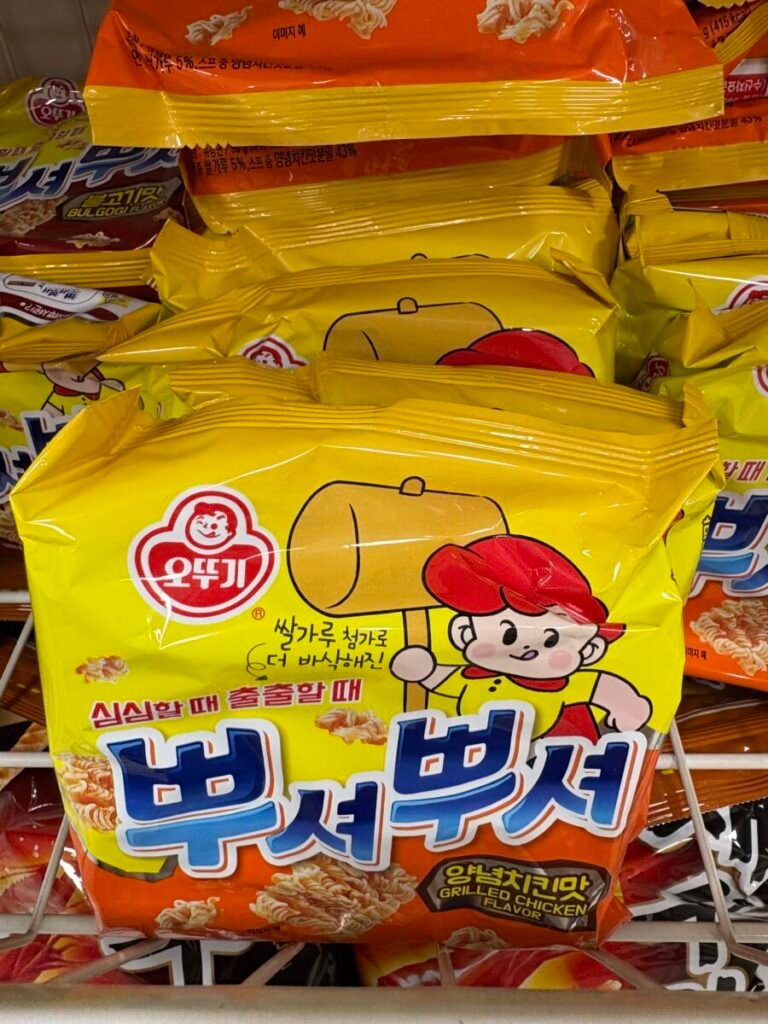
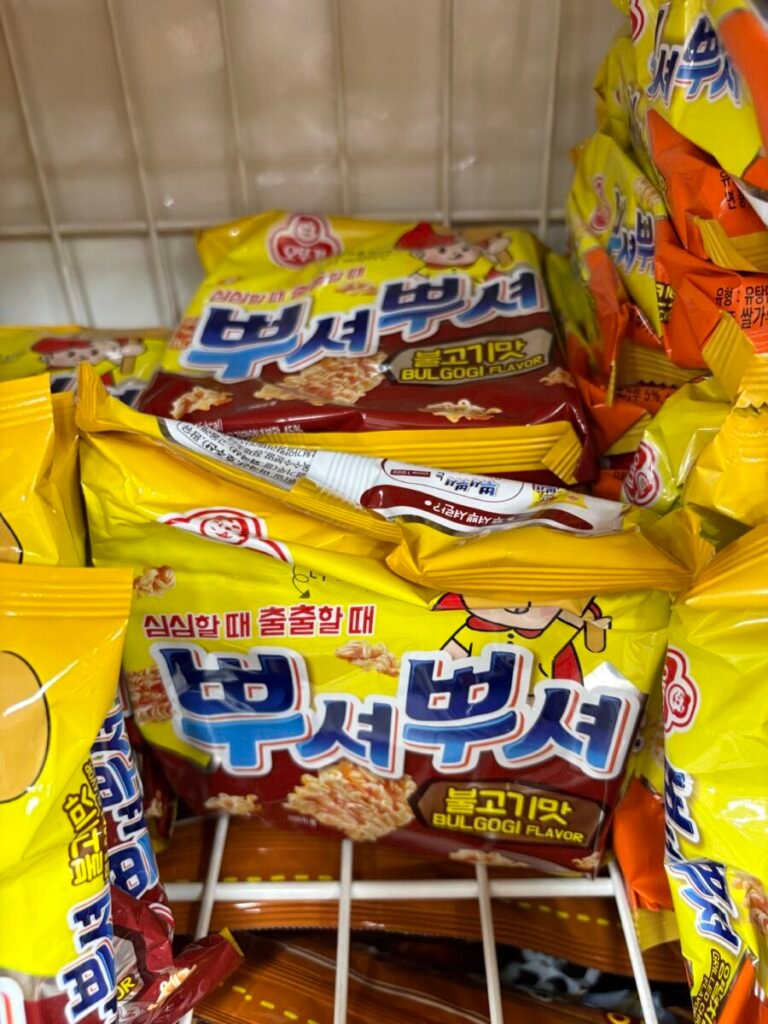
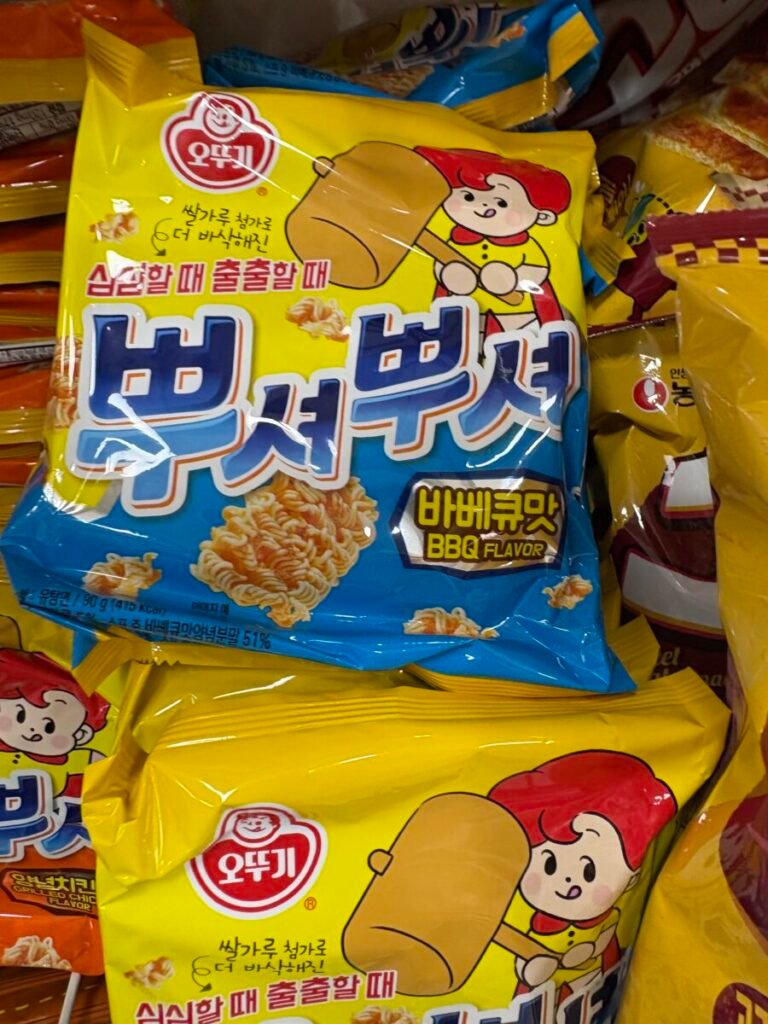
    Ppushu Ppushu is a no-cook Korean ramen snack made by Ottogi — you crush the raw noodle block inside the sealed bag, add the seasoning powder, shake it to coat, and eat the crunchy pieces straight out of the bag, no water or stove required. The Variety Pack on Amazon gives you eight bags across four flavors: BBQ, Bulgogi, Grilled Chicken, and Spicy Rice Cake (Tteokbokki), making it the easiest entry point if you have never tried this style of snack before.

    Wait — You Eat Ramen Without Cooking It?

    Yes, and that is exactly the part that surprises almost everyone. Here is the fact that genuinely made me pause when I first looked it up: Koreans have been eating raw instant ramen noodles as a snack since the 1980s, long before the “crush and eat” format was officially packaged and marketed. Students would crumble a brick of ramen into their palm, sprinkle the powder on, and munch away in class or at a pojangmacha street stall. Ottogi essentially took that unofficial snacking habit and turned it into a product with its own dedicated ritual. What was once a broke-college-student hack is now a global K-snack category.

    The Ritual Is Half the Fun

    This is where Ppushu Ppushu separates itself from competitors like Japan’s Baby Star Crunchy Ramen Snack. Baby Star comes pre-seasoned and ready to eat straight from the bag — totally convenient, but also totally passive. With Ppushu Ppushu, you are an active participant. You feel the noodle block crack and crumble under your palms. You tear open the powder sachet, drop it in, refold the top edge, and shake the whole bag until you can hear the coating settle. It takes about twenty seconds and it genuinely never gets old. Check the current price on Amazon and you will also find reviewers in the comments section describing exactly this experience — many of them buying it as a gift specifically because of the ritual, not just the flavor.

    Four Flavors, One Pack: What Each One Actually Tastes Like

    BBQ lands with a smoky, slightly sweet char note — think backyard barbecue reduced down to a powder and pressed into a noodle shard. Bulgogi is savory with a soy-and-pear sweetness that tastes unmistakably Korean, and it tends to be the crowd favorite for first-timers. Grilled Chicken is the mildest of the four, almost buttery, and works well if you are snacking alongside something cold to drink. Spicy Rice Cake (Tteokbokki) brings the heat — it has that distinctive gochujang sweetness before the slow burn hits the back of your throat about three seconds later.

    The noodle pieces themselves are light, airy, and genuinely crunchy rather than hard or stale-tasting. They pair well with beer or a cold soda, and because each bag is 90g, you can finish one solo or share it across two or three people as a small snack plate.

    My Honest Take: Bulgogi Wins

    Doing it myself, I get why this format works. There’s something genuinely satisfying about pressing the noodle block into pieces with your palms and hearing the seasoning powder settle in after a good shake — it turns a five-second snack decision into a tiny ritual you actually look forward to. As for the texture: yes, it tastes like ramen, but it isn’t really “ramen-with-water-removed.” It’s its own thing entirely — crunchy in a way that’s closer to a rice cracker than a noodle, with just enough of that familiar savory ramen seasoning to remind you where it came from. Out of the four flavors, Bulgogi was the clear standout — that soy-and-pear sweetness translated into the crunchy format better than I expected.

    Real Talk: What Some Reviewers Have Flagged

    No snack is perfect, and the reviews here are honest about a couple of things worth knowing before you buy. The biggest recurring note is that the seasoning powder does not always coat every single piece evenly — some shards end up bold and flavorful while others at the bottom of the bag can taste noticeably plain. A second common observation is that the amount of powder feels a little light, particularly once you have worked through your first bag and know what to expect; some reviewers say the seasoning intensity dips on the second and third bags in the pack. And on pricing: several buyers mention that if you have access to a Korean grocery store nearby, you will likely find these cheaper on the shelf than the Amazon listing. That said, the variety pack format — four flavors, eight bags, one order — is genuinely hard to replicate at a local H-Mart where you might only find one or two flavors at a time. Check the current price on Amazon to decide if the convenience trade-off works for you.

    Who Is This For?

    If you are just getting into Korean snacks and want to try something that feels genuinely different from anything in the Western chip aisle, this variety pack is designed exactly for you. The four-flavor format means you can figure out your favorite without committing to a full box of one flavor. It is also a strong pick for Korean-American or Korean diaspora households where the sight of an orange Ppushu Ppushu bag hits like a time machine — the kind of after-school snack that shows up in childhood memories right alongside Choco Pie and Yukgaejang cup noodles.

    The Bottom Line

    Ppushu Ppushu is not trying to be a meal. It is not replacing a bowl of hot ramen on a cold night. What it is doing is giving you a two-minute sensory experience — the crush, the shake, the crunch, the flavors — that is unlike anything else sitting in your snack drawer right now. For a snack that costs less than a coffee and ships to your door, that is a pretty remarkable thing to say. Grab the variety pack on Amazon and find your favorite flavor before someone else on your couch claims the Bulgogi bags.

    There is something quietly exciting about discovering that a whole country has been doing snacking differently than you for decades — and that it only took one crinkling, shaking bag on a train to make you feel like you had been missing out all along.

  • Honey Butter Chip Korean Snack: The Viral Bag That Broke South Korea’s Internet

    This post contains Amazon affiliate links. As an Amazon Associate, we earn from qualifying purchases.

    My coworker showed up to a meeting last year with a bright yellow bag covered in Korean text, and within sixty seconds five people had stopped talking just to stare at it. She passed it around, and I remember thinking — wait, why does a potato chip taste like someone poured warm honey over buttered toast and then somehow made it savory at the same time?

    So, What Exactly Is Honey Butter Chip?

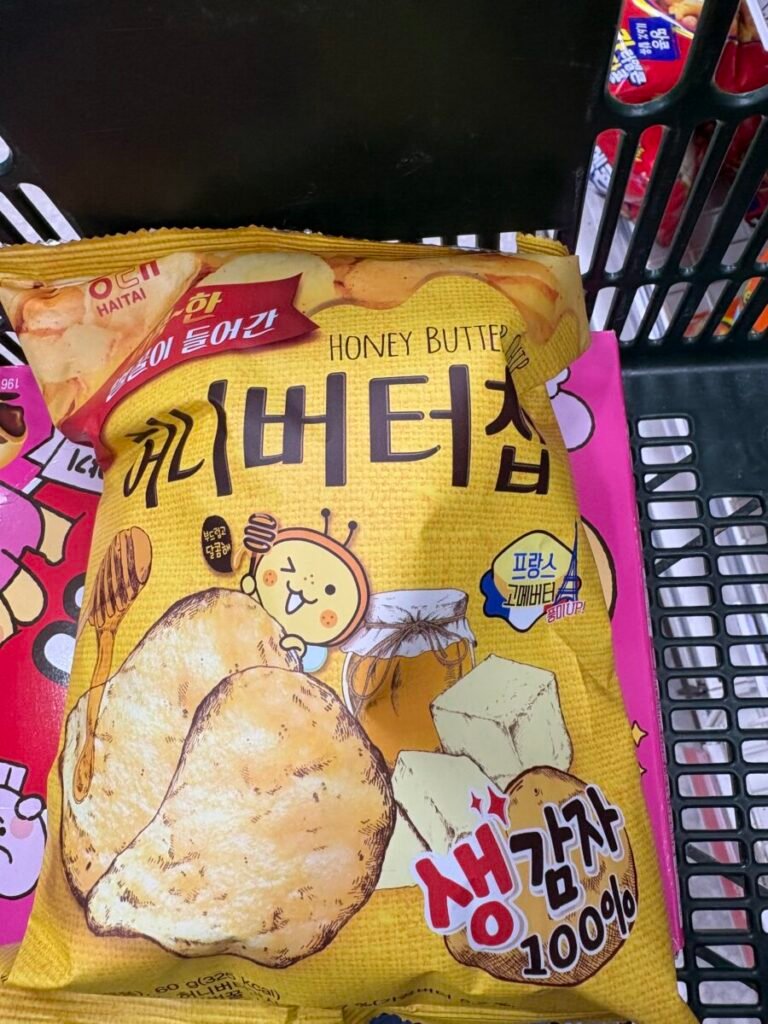
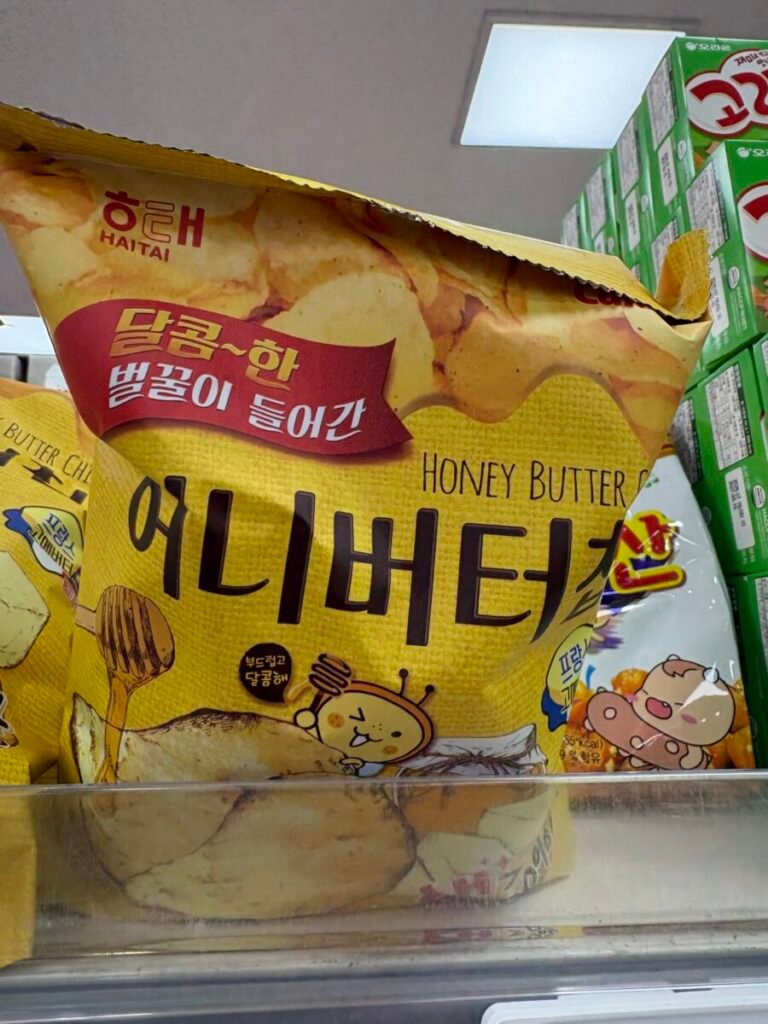
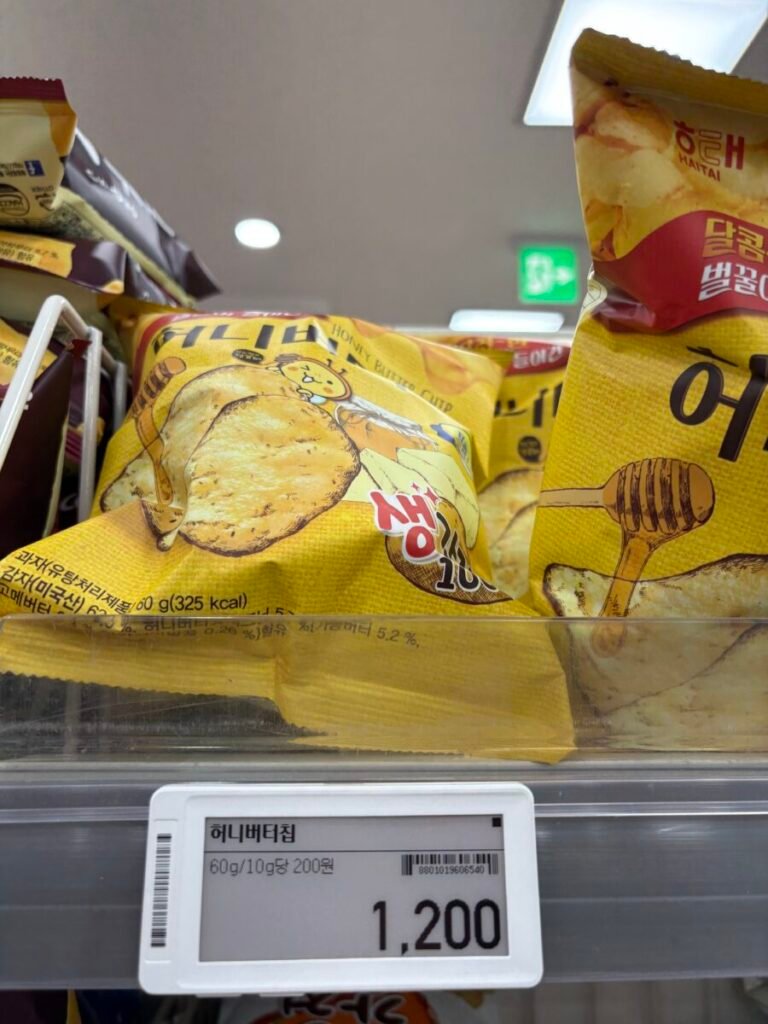
    Here is your straight answer: Haitai Honey Butter Chip is a South Korean potato snack that opens with a salty crunch and finishes with a soft, lingering honey sweetness — and the Haitai 60g x 8-pack available on Amazon is the authentic Korean-made version that started the viral craze, not a regional imitation. Everything else in this article is just context, detail, and honest opinion — but if that one sentence is all you needed, now you have it.

    The Snack That Literally Broke South Korea

    Here is the counterintuitive part that surprises almost everyone: when Haitai launched Honey Butter Chip in 2014, the demand was so far beyond anything the company predicted that bags were being resold at two to three times the original retail price on Korean secondhand marketplaces. Convenience stores had waiting lists. People were driving between multiple GS25 and CU locations just to find a single bag. A potato chip caused a black market. That is not marketing language — that is documented social history.

    That kind of cultural moment does not happen with a forgettable product. The flavor earned it. And that flavor holds up years later, which is why K-culture fans in the US are still actively hunting this bag down.

    What Does It Actually Taste Like?

    This is where specifics matter more than any adjective like “amazing” or “addictive.” The chip hits your tongue with a clean, salty potato note first — familiar, grounding — and then about a second later, a wave of buttery sweetness rolls in. It is not the aggressive candy-sweet of a kettle corn. It is quieter than that, more like the natural sweetness you get from a drop of real honey stirred into salted butter. The finish lingers for maybe five or ten seconds before fading cleanly, which is exactly why your hand goes back into the bag without you consciously deciding to.

    The texture is thin and light, with a satisfying snap rather than a dense crunch. At 60g per bag, each individual pouch is a comfortable single-serving — not so much that you feel obligated to finish it, not so little that you feel cheated (well, more on that in a moment).

    My Honest First Bite

    Sweet is the operative word here — not a subtle hint of sweetness balanced against salt, but a genuinely rich, dessert-adjacent sweetness that sets it apart from anything in the Western potato chip aisle. And yet it never feels heavy. Each chip is impossibly light and crisp, the kind that seems to dissolve the moment it hits your tongue rather than requiring any real chewing. It’s less “crunch” and more “shatter” — one bite and it’s basically gone, which is exactly why the bag empties faster than you’d expect.

    The Honest Pros and Cons

    What real buyers love: The flavor balance is genuinely distinctive — salty up front, honey-sweet at the finish — and reviewers consistently note that no American chip quite replicates it. The 8-pack format (eight individual 60g bags) keeps each portion fresh, since you are opening one sealed bag at a time rather than fighting with a resealable clip on a family-size bag. For K-drama watch nights, care packages, or office snack drawers, the individual portions are genuinely practical.

    What honest reviewers flag: The bags carry a noticeable amount of air relative to the chip content inside — this is not unusual for chip packaging (nitrogen fill protects the chips during shipping), but it is a real point of frustration for buyers expecting a fuller bag. Pricing on Amazon reflects import costs, so you will pay more per gram here than you would at a Korean grocery in Los Angeles or New York. A small number of buyers have also reported that long-distance shipping occasionally results in chips arriving slightly soft or with a muted flavor — not ruined, but not at their peak. If that is a concern, it is worth checking current delivery estimates before ordering.

    You can check current price on Amazon to see if the cost-per-bag works for your budget right now.

    Haitai vs. the Japanese Version — Does It Matter?

    If you have browsed around for honey butter chips online, you have probably noticed Calbee’s Honey Butter flavored potato chips — a Japanese product packaged in a similar format and sold in comparable multipacks on Amazon. Both are legitimate snacks. But buyers who specifically want the chip that went viral in Korea, the one referenced in K-dramas and covered in Korean food media, consistently seek out the Haitai version. The flavor profiles are not identical, and the cultural origin is different. If authenticity to the Korean source matters to you — and for K-culture fans, it often does — Haitai is the one.

    Who Should Buy This?

    If you are working through a Korean drama series and want the full sensory experience to match, this is an easy yes. If you are putting together a K-snack gift box for someone who just got into BTS, NewJeans, or Korean food content, the yellow bag is immediately recognizable and genuinely exciting to receive. If you are just someone who wants to understand what the fuss was about — the answer is in that first bite, when the salt fades and the honey quietly appears.

    For people who live near a Korean grocery store, check there first for freshness and price. For everyone else, check current price and availability on Amazon — the 8-pack format means even if a bag or two gets slightly jostled in transit, you have seven more waiting.

    Final Thought

    There is something quietly satisfying about finally trying the snack you have seen in a dozen unboxing videos and food vlogs — and discovering that it actually earns the hype. Not because it is exotic or trendy, but because someone got the flavor balance genuinely, specifically right. That honey finish is not an accident. It is the reason people drove around Seoul in 2014 looking for an empty shelf. Order a pack, open the first bag slowly, and find out if you become the person passing it around a meeting room.

  • Binggrae Banana Milk: The Creamy Korean Drink K-Drama Fans Are Obsessed With

    This post contains Amazon affiliate links. As an Amazon Associate, we earn from qualifying purchases.

    A friend of mine paused a K-drama episode, pointed at the screen, and said, “Wait — what is that little barrel-shaped bottle everyone keeps drinking?” Two days later, a six-pack of Binggrae Banana Milk showed up at her door. She hasn’t stopped talking about it since.

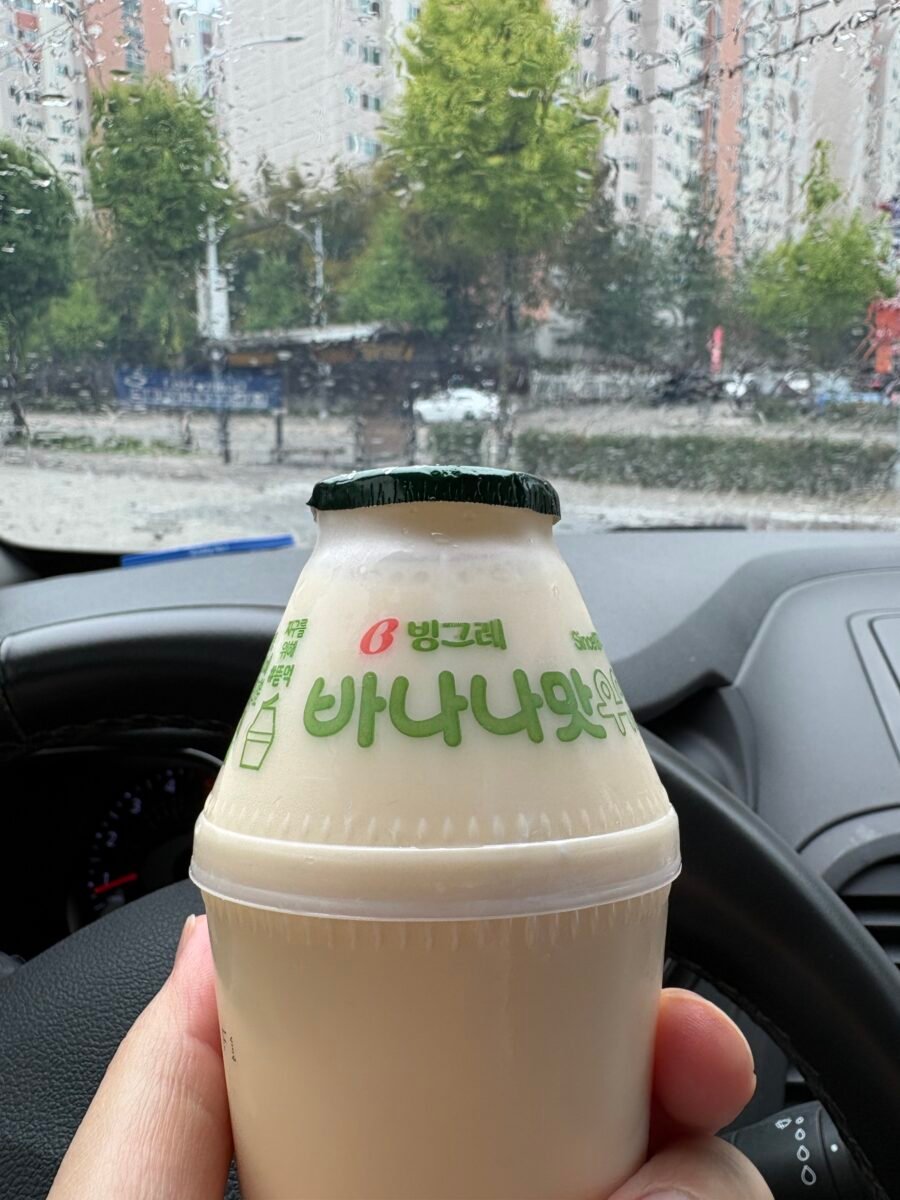
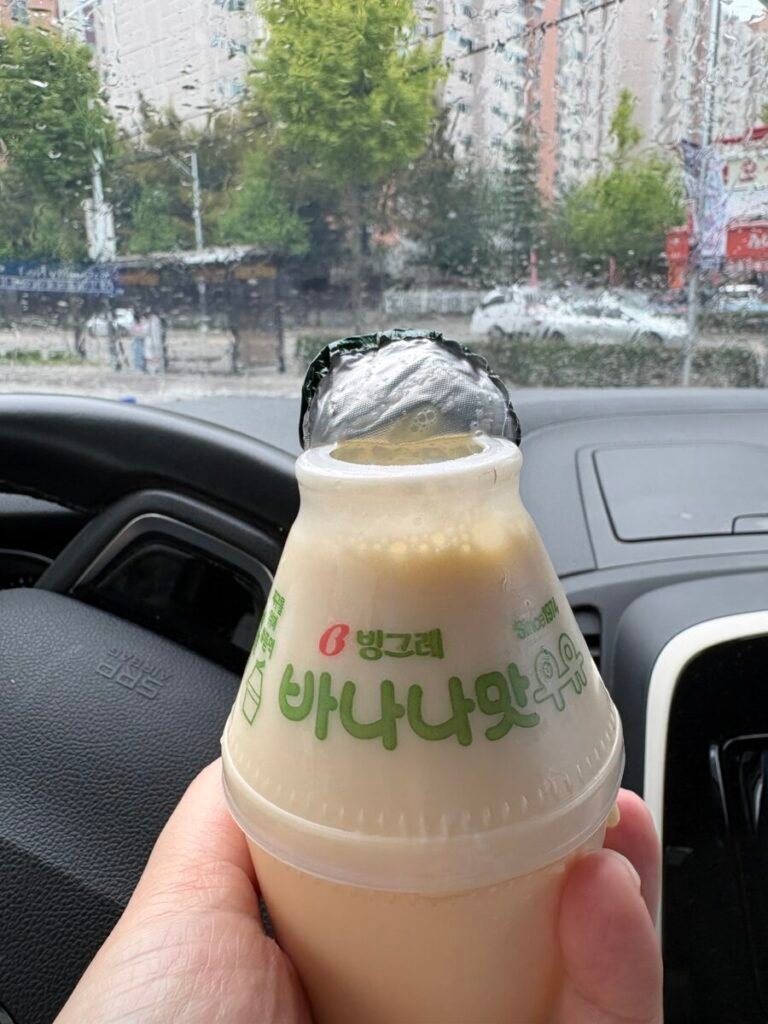
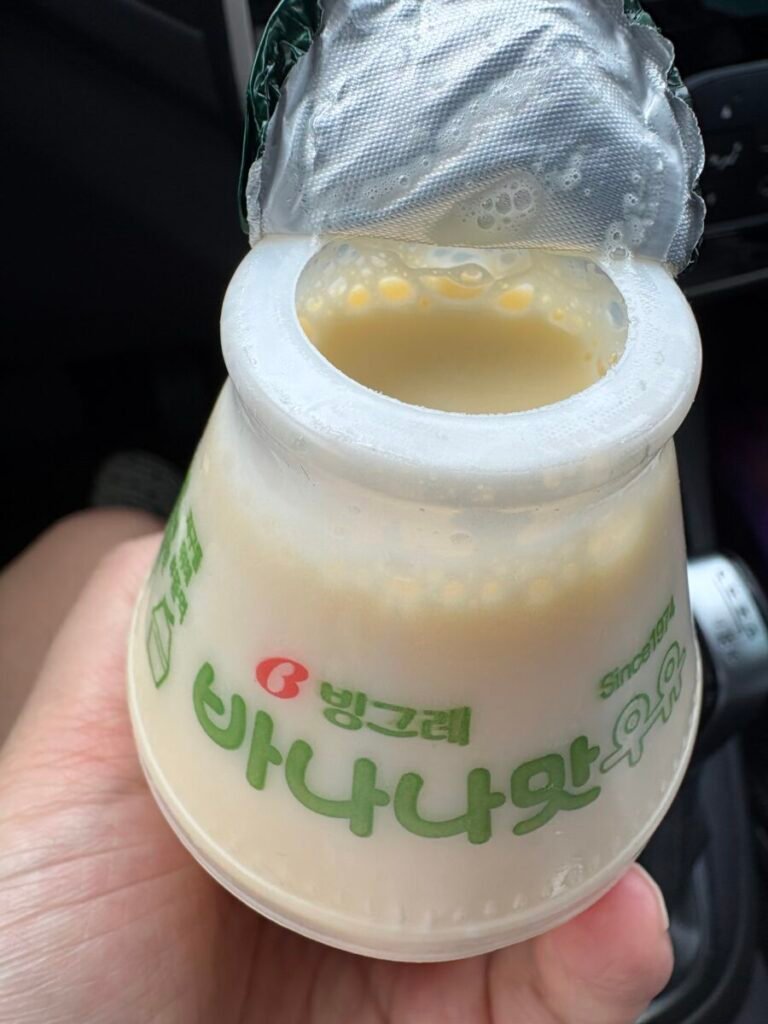
    Binggrae Banana Flavored Milk is a shelf-stable, sweet, and creamy Korean banana milk drink sold in 6.8 fl oz cartons — and it’s the closest you’ll get to tasting one of South Korea’s most beloved comfort beverages without boarding a flight to Seoul. Rated 4.6 out of 5 stars across nearly 2,000 reviews on Amazon, it has quietly become a staple for K-culture fans worldwide.

    Why Does Everyone in K-Dramas Keep Drinking This?

    If you’ve spent any time watching Korean dramas or following BTS, you’ve almost certainly spotted this drink. It’s not product placement by accident — Binggrae Banana Milk has been a genuine cultural fixture in South Korea since 1974. That’s right: this drink is over 50 years old, and it still outsells nearly every other flavored milk in the country. The iconic barrel-shaped bottle was actually designed to look like a traditional Korean earthenware pot, meant to evoke warmth and nostalgia. The carton version you’re getting here carries that same spirit in a much more travel-friendly format.

    The Bathhouse Ritual Every Korean Remembers

    In Korea, this isn’t just a drink — it’s a memory. Ask any Korean about banana milk and chances are they’ll mention the bathhouse: after soaking in the hot tubs at a jjimjilbang (Korean bathhouse), kids grab an ice-cold bottle of banana milk on the way out. It’s practically a rite of passage.

    What Does It Actually Taste Like?

    Here’s where expectations matter. This is not a smoothie. It’s not fresh banana juice. The banana concentrate used in the formula makes up just 0.32% of the ingredients — which sounds alarming until you take your first sip and realize that’s entirely the point. The flavor is soft, almost floral, like a ripe banana stirred into warm vanilla milk. The texture is silky and just thick enough to feel indulgent without being heavy. It’s the kind of drink that goes down in about 90 seconds flat and leaves you genuinely considering opening a second carton.

    Reviewers consistently describe it as a comfort drink — something you reach for when you want something sweet but not overwhelming. Unlike a banana-flavored candy or protein shake, it doesn’t hit you over the head with artificial intensity. The sweetness lingers gently, and most people find it doesn’t cause the flavor fatigue that comes with overly sweet beverages.

    The Surprisingly Practical Perk Nobody Talks About

    One of the most underrated things about this product? You don’t need to refrigerate it until you open it. The tetra-pak carton packaging keeps each serving shelf-stable, meaning you can tuck a few into your work bag, a travel tote, or a dorm room snack drawer without worrying about keeping them cold. For anyone who’s ever shown up somewhere wishing they’d packed a snack, this is a quiet game-changer. Each carton is 200ml (6.8 fl oz) — perfectly portioned for a single serving, no waste, no mess.

    What to Keep in Mind Before You Buy

    It wouldn’t be an honest review without the real talk. Each 200ml carton contains approximately 24 grams of sugar — which is on the higher end, comparable to a small can of soda. If you’re watching your sugar intake, this is something to factor in. It’s genuinely best treated as an occasional treat rather than an everyday drink, and some shoppers opt for the zero-sugar powdered banana milk alternatives (like Kim’s Table Korean Banana Milk Flavored Mix) for a guilt-lighter option.

    Also worth noting: a handful of Amazon reviews mention that cartons occasionally arrive with minor dents or damage from shipping, depending on the seller. It’s not a universal experience, but if your order looks rough on the outside, give each carton a quick check before opening. The drink inside is almost always fine, but it’s good to know going in.

    And if you’re hoping for something that tastes like biting into a real banana — this isn’t that. The flavor is distinctly “banana milk” rather than “banana,” a category that Koreans have embraced as its own thing entirely. Once you frame it that way, the taste makes complete sense.

    The Unexpected Fact That Changes How You See This Drink

    Here’s something most Western fans don’t know: Binggrae Banana Milk was originally developed in the 1970s as a way to encourage Korean children — many of whom were lactose-sensitive — to drink more milk during a national nutrition campaign. The government was literally behind banana milk. What started as a public health initiative became one of the most emotionally resonant food products in Korean history. When Koreans drink it now, there’s a whole thread of childhood memory stitched into that sip. You’re not just buying a flavored drink. You’re buying into a cultural moment.

    Should You Try It?

    If you’re curious about Korean food culture, if you’ve seen this drink pop up on your For You page or in the hands of your favorite K-drama lead, or if you simply want to experience what “comfort in a carton” actually means — yes. Absolutely yes. The six-pack format (ASIN B00PJCBM74) makes it easy to try without over-committing, and the price point stays in affordable territory for an imported specialty drink. You can check the current price on Amazon and see what other verified buyers are saying across those nearly 2,000 reviews.

    It’s one of those rare products where the hype and the reality actually meet. And if you want to grab a pack before they sell out — especially during K-culture moments when demand spikes — order Binggrae Banana Milk on Amazon here and see what your K-drama characters have been enjoying all along.

    There’s something quietly wonderful about cracking open a small carton of something that 50 years of Koreans have called their comfort drink — and realizing, after one sip, that you completely understand why.

  • Yopokki Instant Tteokbokki Review: Does This $7 Kit Actually Taste Like Korean Street Food?

    This post contains Amazon affiliate links. As an Amazon Associate, we earn from qualifying purchases.

    Photo by Jeremy Li on Pexels

    My friend Jess came back from Seoul last spring completely obsessed with tteokbokki — the chewy rice cakes she kept eating from street carts near Gyeongbokgung Palace. Back home in Toronto, she spiraled into a two-week search for something that came close, eventually landing on a little vacuum-sealed pouch from a brand called Yopokki. She texted me a photo of her bowl at midnight with three red heart emojis and nothing else.

    The short answer: Yopokki Instant Tteokbokki (Sweet Mild Spicy, Pack of 2) is the closest widely available substitute for Korean street-style tteokbokki you can make at home in under 10 minutes — the rice cakes turn genuinely soft and chewy after 6–8 minutes on the stovetop, the gochujang sauce hits a mild 3–4 out of 10 on the spice scale, and with 4.2 stars across 4,700+ Amazon reviews, it’s the most-reviewed tteokbokki kit on the platform for a reason. Now let’s get into the details so you can decide if it belongs in your cart.

    What Even Is Tteokbokki?

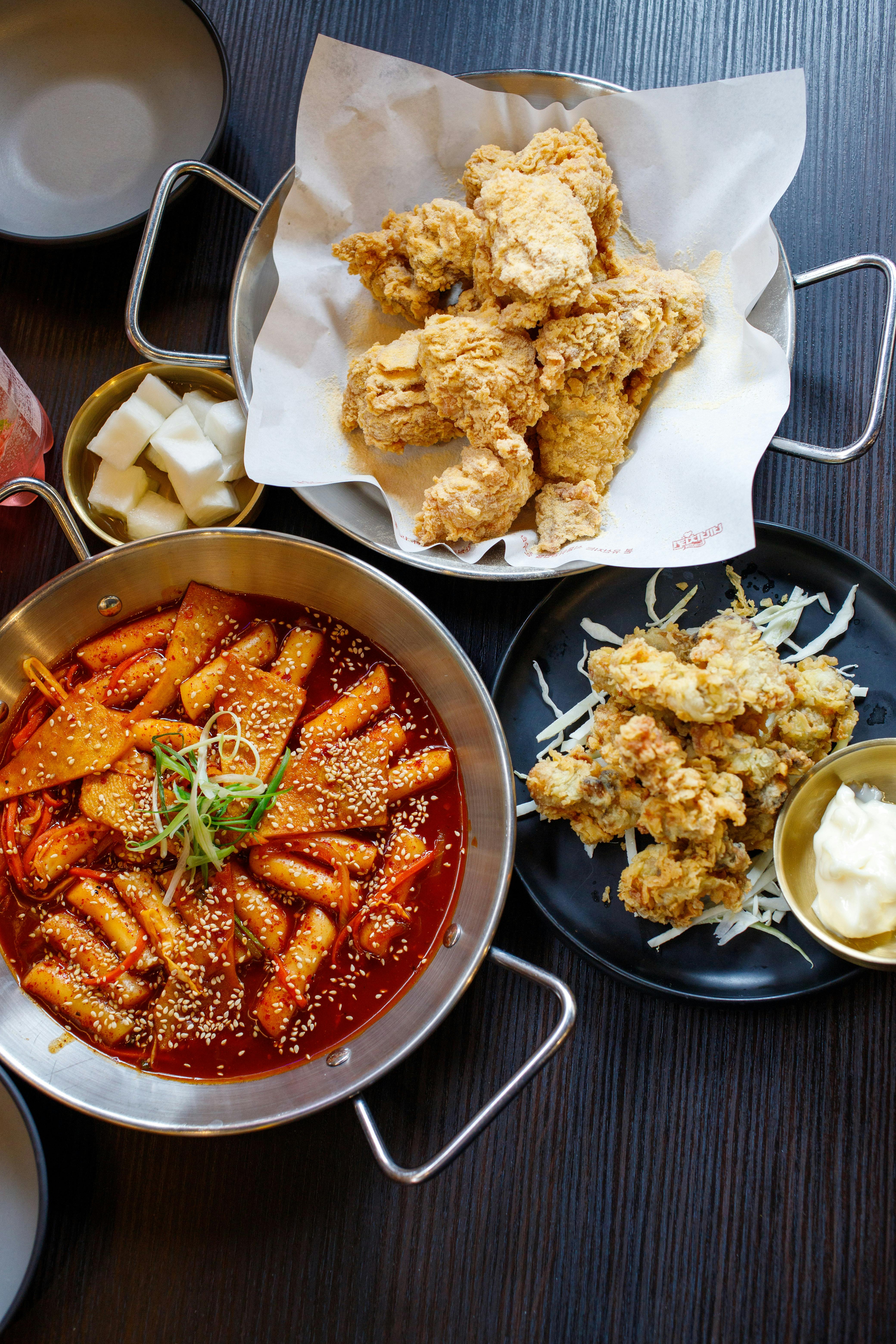
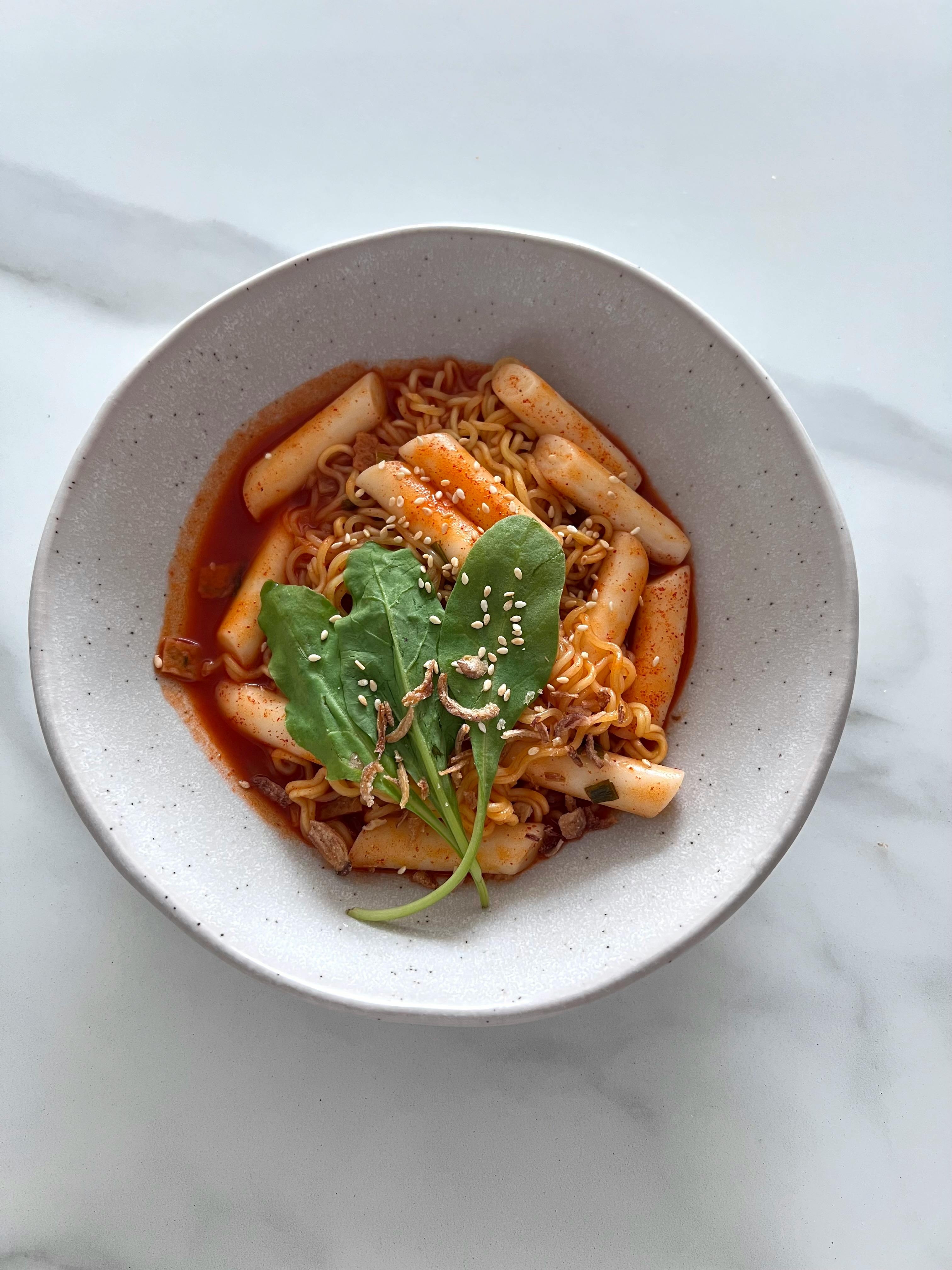
    If you’ve been watching any K-drama in the last five years — Crash Landing on You, Hometown Cha-Cha-Cha, you name it — you’ve probably seen characters huddle around a bubbling red pot of cylindrical rice cakes at a pojangmacha (Korean street stall). That dish is tteokbokki, and it’s basically South Korea’s version of comfort food on a stick. The rice cakes, called tteok, are made from pounded glutinous rice and have a springy, satisfying chew that soaks up sauce like a sponge. The sauce is gochujang-based: red pepper paste that’s simultaneously sweet, savory, and warm.

    Here’s the part that surprises most people: tteokbokki wasn’t always a spicy dish. The original Joseon-era version — called gungjung tteokbokki — was a royal palace recipe made with soy sauce, beef, and vegetables. Gochujang didn’t enter the picture until the 1950s, when a Seoul street vendor reportedly improvised with the sauce on a whim. The spicy red version we know today is less than 75 years old.

    What You’re Actually Getting in the Box

    The Yopokki Sweet Mild Spicy pack comes with two individual pouches, each weighing about 9.9 oz. Inside each pouch you’ll find pre-cooked, vacuum-sealed cylindrical rice cakes and a separate sachet of sweet-spicy gochujang sauce. The prep is straightforward: empty both into a pan with a small splash of water, stir over medium heat for 6–8 minutes, and watch the sauce thicken and glaze the rice cakes as the water cooks off.

    The texture is where Yopokki earns its reviews. After about seven minutes of stirring, the rice cakes go from slightly firm to that signature pull-apart chew — soft on the outside, with just enough resistance in the center. The sauce, when reduced properly, turns glossy and clings to each piece. The flavor is genuinely sweet-forward with a slow, mild warmth at the back of your throat — nothing aggressive, which is exactly why this particular variety works so well for people who are new to Korean flavors or cooking for kids.

    Photo by Anya Dunes on Pexels

    The Real Pros (and the Honest Cons)

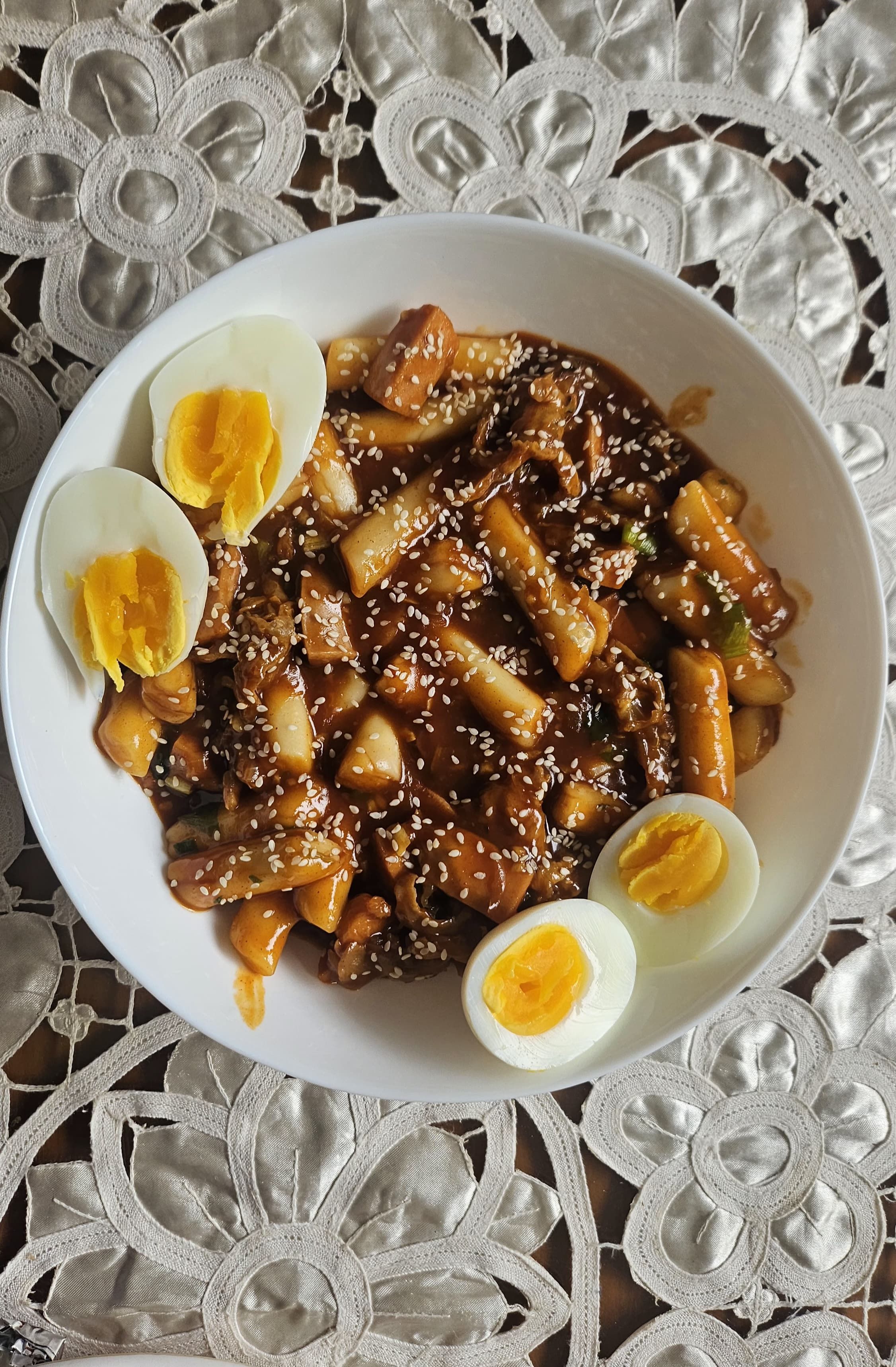
    Let’s start with what reviewers consistently love. The spice level — around a 3 to 4 out of 10 — is mild enough that spice-sensitive eaters can enjoy a full bowl without reaching for water every other bite. The rice cakes absorb the sauce evenly, so you’re not getting bland bites followed by overwhelming ones. And the customizability is genuinely one of the best things about this product: a handful of shredded mozzarella melted on top, a soft-boiled egg halved and placed in the center, or a nest of ramen noodles stirred in during the last two minutes of cooking all turn a light snack into a full meal.

    Now the honest part. Each pouch is only 9.9 oz, which is a comfortable light meal or a filling snack — but if you’re eating this as your main dinner after a long day, you may find yourself eyeing the fridge afterward. The sauce portion can also run a little thin if you rush the cooking; the glossy, street-food consistency only comes when you give it the full time and stir patiently. And if you have a wheat or soy allergy, this one isn’t for you — it contains both allergens and is not gluten-free.

    If gluten-free prep is a priority, the O’food Tteokbokki in Original Gochujang is worth looking at — it comes in a cup format, is ready in about 3 minutes, and skips the wheat and soy. The tradeoff is that the stovetop method Yopokki uses genuinely produces a better texture and more developed flavor.

    How to Upgrade It Like a Pro

    The beauty of tteokbokki as a format is that it welcomes additions. Here’s what actually works:

    Cheese pull version: Add a generous handful of shredded mozzarella in the last 60 seconds, cover the pan, and let it melt. The cheese cuts the heat and adds a richness that makes the whole bowl feel indulgent.

    Rabokki (ramen + tteokbokki): Drop in half a block of instant ramen noodles with a splash more water halfway through cooking. This is a real Korean street-food combination and it stretches the serving size significantly.

    Egg and scallion finish: A soft-boiled egg and a sprinkle of sliced scallions on top adds protein and a fresh contrast to the sweet-spicy sauce. Takes 30 extra seconds and looks like something from a food blog.

    Photo by Ratryoshka on Pexels

    Is It Worth the $7.84?

    At $7.84 for two pouches, Yopokki sits in a comfortable spot — less than a single appetizer at most Korean restaurants, and with enough flexibility to become a meal rather than just a snack. The 4,700+ reviews at 4.2 stars aren’t the result of clever marketing; they reflect people who made it once and came back to tell someone about it.

    If you want to try it yourself, you can check the current price on Amazon — it ships quickly and is frequently bundled with other Korean pantry staples if you want to explore further.

    The Bottom Line

    There’s something quietly wonderful about recreating a food memory from a trip you haven’t even taken yet. You never stood at a Seoul street cart in the cold, paper cup warming your hands — but after a bowl of this on a Tuesday night, with the sauce reduced just right and a layer of melted cheese on top, you’ll understand exactly why Jess sent that midnight text. Some cravings don’t need a passport. They just need eight minutes and a good pan.

  • Pepero Day Snack Sticks: The 7-Flavor Korean Box That’s Better Than Pocky

    This post contains Amazon affiliate links. As an Amazon Associate, we earn from qualifying purchases.

    Photo by Nataliya Vaitkevich ✨ on Pexels

    My coworker showed up to our desk one November morning with a long, chocolate-dipped biscuit stick and just silently held it out to me. One bite later, I was googling “what is that Korean stick snack” before I’d even swallowed. That was my introduction to Pepero — and I’ve never looked at Pocky the same way since.

    The Pepero Variety Pack (7 Flavors) is the best single purchase for anyone wanting to try Korean biscuit stick snacks for the first time — it includes Almond, Strawberry, White Cookie, Choco Cookie, Snowy Almond, Original, and Crunchy in one box, each flavor individually sealed, so you get a genuine cross-section of what makes this iconic Korean snack worth the hype.

    What Exactly Is Pepero?

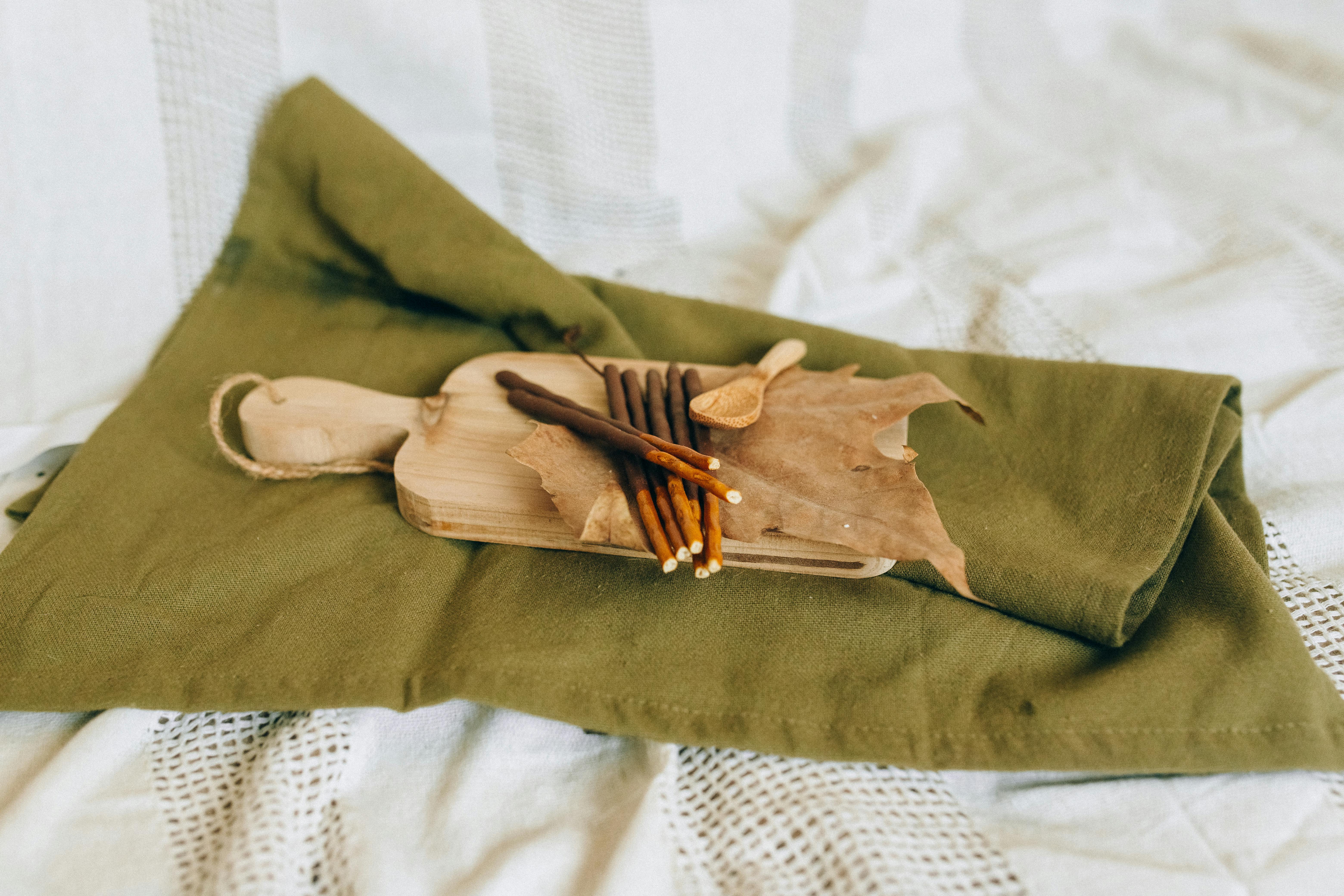
    Pepero is a thin, crispy biscuit stick dipped or coated in chocolate or flavored cream, made by LOTTE, one of South Korea’s largest confectionery brands. If you’ve had Glico Pocky, you already have a rough mental image — but Pepero hits a little differently. The chocolate coating is noticeably thicker, and it snaps cleanly rather than crumbling or bending. There’s no greasy residue on your fingers, just a firm, satisfying crack followed by a light, crisp biscuit center.

    Here’s the part that genuinely surprised me: South Korea has an entire national holiday dedicated to this snack. November 11th is “Pepero Day,” chosen because the date 11/11 looks like four Pepero sticks standing in a row. Koreans exchange boxes the way Americans exchange Valentine’s chocolates — millions of boxes, in a single day. It’s a marketing origin story that somehow turned into a genuine cultural tradition, and it says everything about how embedded this little stick is in Korean everyday life.

    Photo by Nataliya Vaitkevich. on Pexels

    Breaking Down the 7 Flavors

    This is where the variety pack earns its keep. Most snack samplers give you minor variations on one theme. This box goes wide:

    Original is your baseline — milk chocolate over a plain biscuit stick, clean and classic. Almond adds crushed almond pieces to the outside of the chocolate coating, giving every bite a slightly nutty, textured crunch. Snowy Almond takes that further with a white coating and almond bits — it tastes like a winter dessert and looks the part too. Strawberry brings a fruity, slightly tangy coating that actually smells like strawberry when you open the individual box, not like artificial candy. White Cookie leans into a cookies-and-cream vibe, with specks of cookie crumble in a white chocolate coating. Choco Cookie flips that — darker, more intense chocolate with cookie bits throughout. And Crunchy delivers extra texture in the biscuit itself, for those who want the snap-factor dialed all the way up.

    Seven genuinely distinct flavor experiences. That’s not a marketing claim — it’s just what’s in the box when you check current price on Amazon.

    Photo by Nataliya Vaitkevich. on Pexels

    The Honest Pros and Cons

    Let’s be real about what works and what doesn’t, because this snack isn’t perfect for every situation.

    On the plus side: the individual sealing on each flavor box is genuinely thoughtful. You can open Strawberry on Monday, leave the rest in a drawer, and come back to Snowy Almond on Thursday without any loss of crispness. The sticks stay firm. That individually-sealed format also makes it easy to hand off one flavor box to a friend or bring a single variety to a party without committing the whole set.

    The texture is the real hero, though. That firm chocolate coating that snaps cleanly without being greasy is the detail that separates Pepero from cheaper imitators. Compared to Glico Pocky — the Japanese originator of the chocolate biscuit stick format — Pepero’s coating is thicker and the flavor range per pack is simply wider. The closest Amazon alternative, the LOTTE Pepero Chocolate Stick 6 Flavors Combo, offers one fewer flavor and skips the seasonal Snowy Almond and Strawberry options entirely.

    Now for the real talk: each individual flavor box holds only around 8–9 sticks. If you’re planning to sit down and snack through an entire box solo, you might finish one flavor in under two minutes and feel slightly shortchanged. This is genuinely a sharing snack or a tasting snack — not a binge snack. Plan accordingly.

    The other catch worth knowing: packaging labels are in Korean only. If you’re giving this as a gift to someone who can’t read Hangul, they’ll need a cheat sheet or a quick photo search to identify which box is which flavor. It’s a minor friction point, but worth mentioning if the gift-giving context matters to you.

    Finally — and this is important for summer orders or warm climates — the chocolate coating can melt during shipping if temperatures are high, causing sticks to clump inside the box. If you’re ordering in July, consider expedited shipping or ask for ice packs if the seller offers them.

    Who Actually Buys This, and Why

    This variety pack is built for curiosity. It’s for the person who watched a Korean drama and noticed a character holding a long chocolate stick. It’s for the K-pop fan who’s seen Pepero Day posts flood their social feed every November 11th. It’s for the adventurous snacker who wants to do a proper taste-test and actually understand what all the fuss is about — without committing to a single-flavor bulk order first.

    At its price point, it’s also one of the more affordable ways to run your own Korean snack tasting at home. Line up all seven boxes, go flavor by flavor, and you’ve essentially built a mini dessert experience out of a single Amazon order. You can check current price on Amazon to see if it fits your budget — it typically lands in affordable territory for a seven-flavor import snack set.

    Final Thoughts

    There’s something oddly wholesome about a snack that has its own national holiday. Pepero isn’t just a chocolate stick — it’s the thing Koreans hand to people they like, on a day that exists because the date looks like four sticks standing together. When you open this variety pack and work your way through all seven flavors, you’re not just snacking. You’re getting a small, crunchy window into a food culture that takes joy seriously. Grab the variety pack on Amazon and find out which flavor you’d pick to hand to someone you like — because you will have a favorite by the end of the box.